As our homes become smarter, integrating everything from voice assistants and automated lighting to smart appliances and electric vehicle chargers, the demand for electrical power is steadily increasing. While these innovations offer undeniable convenience and efficiency, they also place a growing strain on your home's existing electrical infrastructure. Many homes in Vancouver, WA, were built with a 100-amp electrical panel, which, while sufficient for its time, might now be quietly struggling under the cumulative load of modern technology. At Mt Vista Electric, we understand these evolving demands and are here to help you ensure your home's electrical system is safe, reliable, and up to the task.
The Quiet Power Draw of Your Smart Home
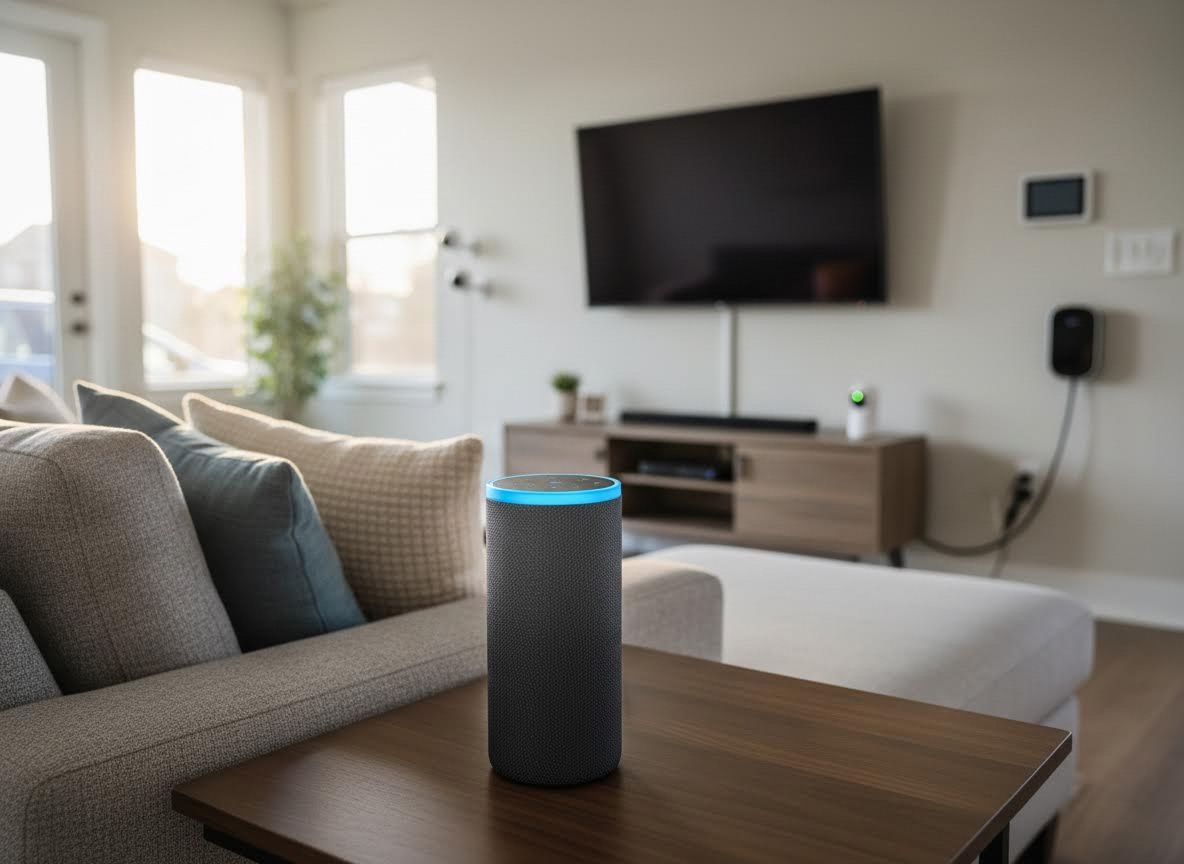
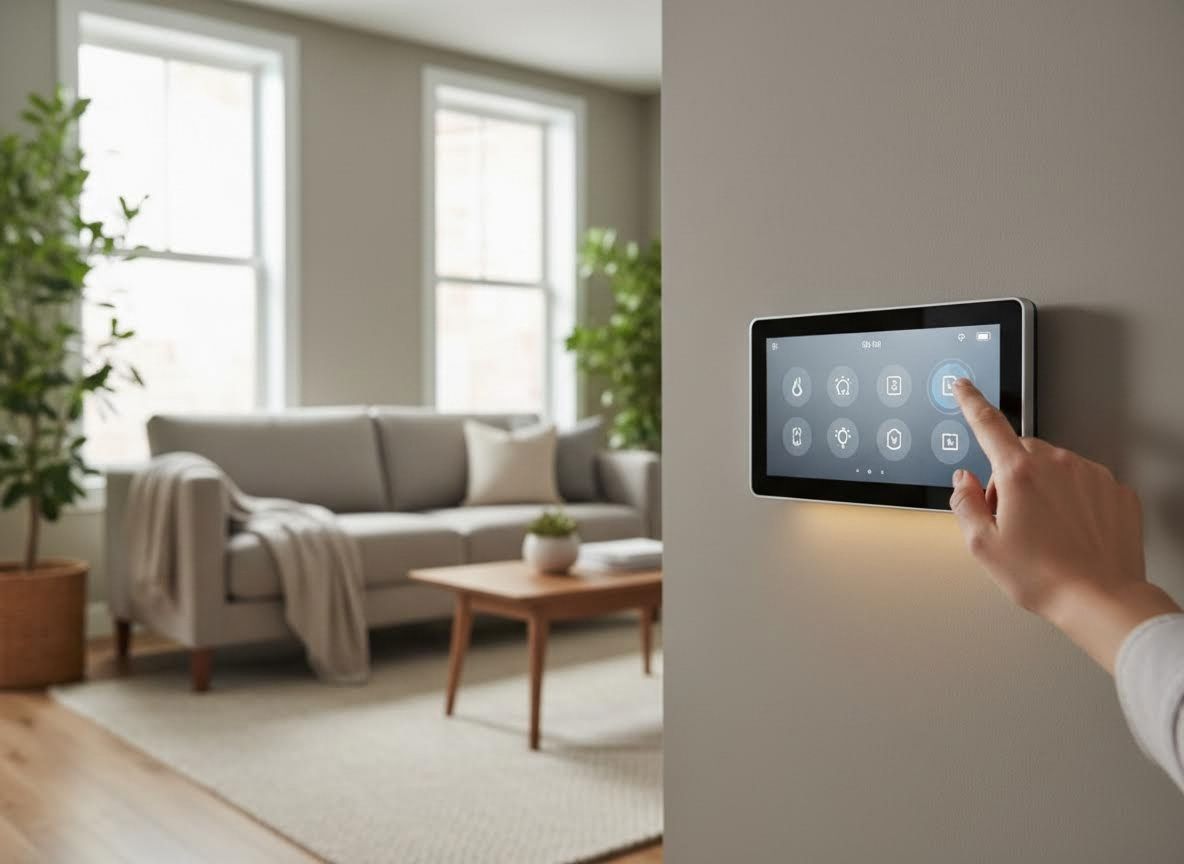
The allure of a "smart home" is undeniable, offering seamless control and connectivity. However, each smart device, whether it's a smart thermostat, security camera, voice-activated speaker, or even advanced kitchen appliances, draws power. While individually these might seem negligible, collectively they create a significant, continuous load. Consider the addition of an electric vehicle charger, which alone can demand a substantial amount of current, or a newly remodeled kitchen packed with high-power induction cooktops and built-in espresso machines. All these contribute to the overall electrical demand on your panel, potentially exceeding what a standard 100-amp service was originally designed to handle.
Understanding Your Home's Electrical Capacity
Your home's electrical panel is essentially the brain of its electrical system, distributing power safely throughout the house. A 100-amp panel, common in older homes, means it can safely deliver up to 100 amperes of current at a given voltage. When the total current drawn by all connected devices and appliances exceeds this limit, the panel becomes overloaded. This isn't just an inconvenience; it can lead to safety hazards. Circuit breakers are designed to trip when a circuit is overloaded to prevent overheating and potential fires, but if the overall system is consistently stressed, it indicates a deeper issue that needs addressing.
Recognizing the Warning Signs of an Overloaded Panel
It's crucial for homeowners to be aware of the signs that their electrical panel might be struggling. Frequent tripping of circuit breakers is a primary indicator, especially if it happens without a clear reason (like plugging in a new high-wattage appliance). Other red flags include flickering or dimming lights, particularly when other appliances turn on, and outlets or switch plates that feel warm to the touch. You might also notice a burning smell from outlets or the electrical panel itself, or a persistent humming sound emanating from the panel. Ignoring these signs can lead to more serious issues, including damage to appliances, increased fire risk, and a disruption to your daily life.
Proactive Solutions for a Safe and Efficient Home
Ensuring your electrical system can safely meet the demands of your smart home and modern lifestyle is paramount. If you suspect your 100-amp panel might be overloaded or if you're planning significant additions like an EV charger or a major remodel, a professional electrical assessment is highly recommended. Often, the solution involves upgrading your electrical panel to a higher capacity, such as 200 amps. This not only resolves current overloading issues but also provides ample capacity for future smart home expansions, ensuring long-term safety and peace of mind. Regular electrical safety inspections can also identify potential problems before they become critical.
Maintaining a safe and efficient electrical system is non-negotiable for modern living. As your Vancouver, WA, home evolves with new technologies, it's essential to ensure its electrical backbone can support these advancements without compromise. Mt Vista Electric is dedicated to providing honest and reliable electrical solutions, from expert troubleshooting to comprehensive panel upgrades and safety inspections, helping you power your home with confidence. If you have concerns about your home's electrical capacity or are planning future electrical additions, we encourage you to connect with our licensed professionals to discuss your specific needs.