
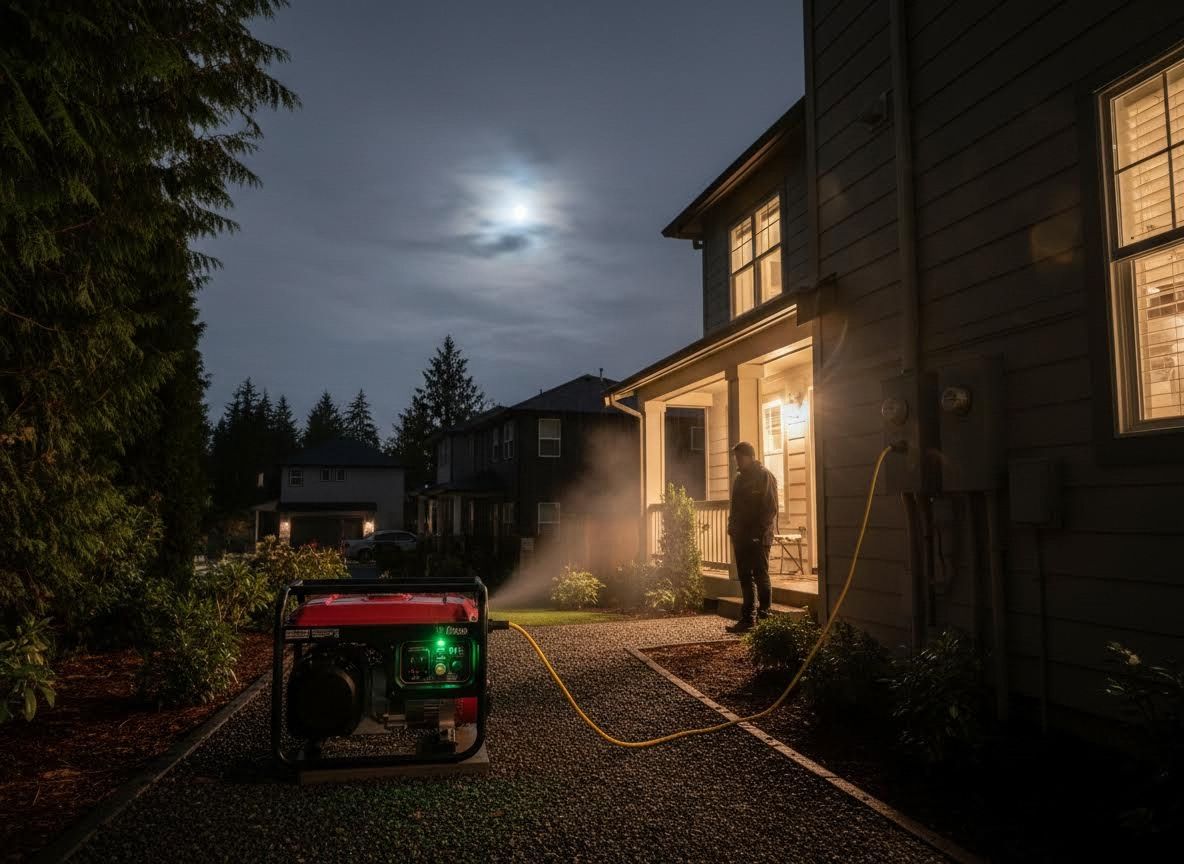
When storms inevitably bring power outages to Vancouver, WA, a reliable generator can be a true lifesaver, providing essential comfort and peace of mind. However, the convenience of backup power comes with a significant responsibility: ensuring its safe operation, not only for your household's protection but also for the dedicated utility linemen working to restore power throughout our community. At Mt Vista Electric, we believe that understanding proper generator etiquette and safety protocols is crucial for every homeowner preparing for the unexpected.
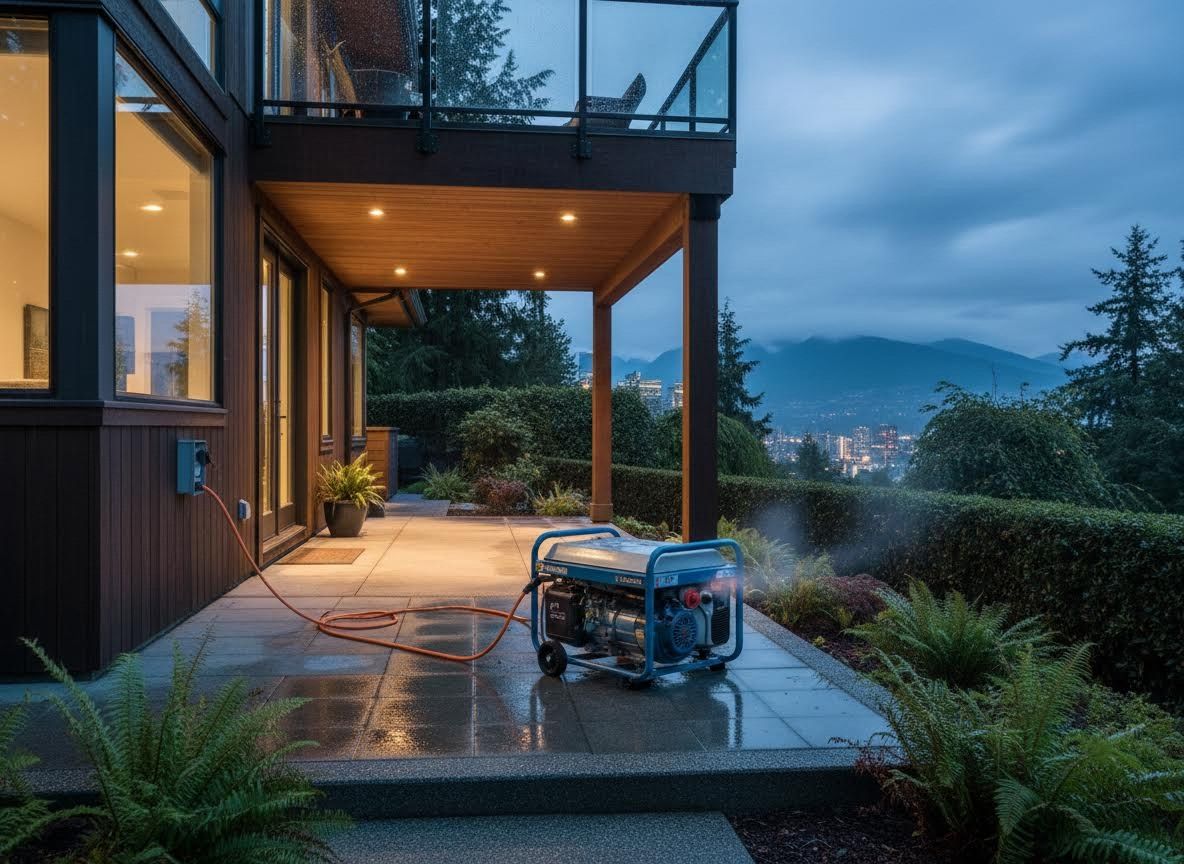
Placement and Ventilation: Preventing Invisible Dangers
One of the most critical safety rules for generator use revolves around its placement. Portable generators produce carbon monoxide, an odorless, colorless, and deadly gas. Operating a generator in an enclosed space, such as a garage, basement, or even too close to windows and doors, can lead to dangerous levels of carbon monoxide accumulation inside your home. Always operate your generator outdoors, in a well-ventilated area, far away from any openings into your home. Ensure there's ample space around the unit for air circulation, and never place it under a porch or carport where fumes can become trapped.
Fuel Safety: Handling with Care
Generators run on fuel – typically gasoline, propane, or natural gas – all of which require careful handling. Always store fuel in approved, clearly labeled containers, away from living areas, heat sources, and direct sunlight. Never refuel a hot or running generator; always allow the unit to cool down completely before adding fuel to prevent dangerous spills and potential fires. Keep a fire extinguisher nearby and ensure all fuel storage and handling practices comply with local regulations and manufacturer recommendations.
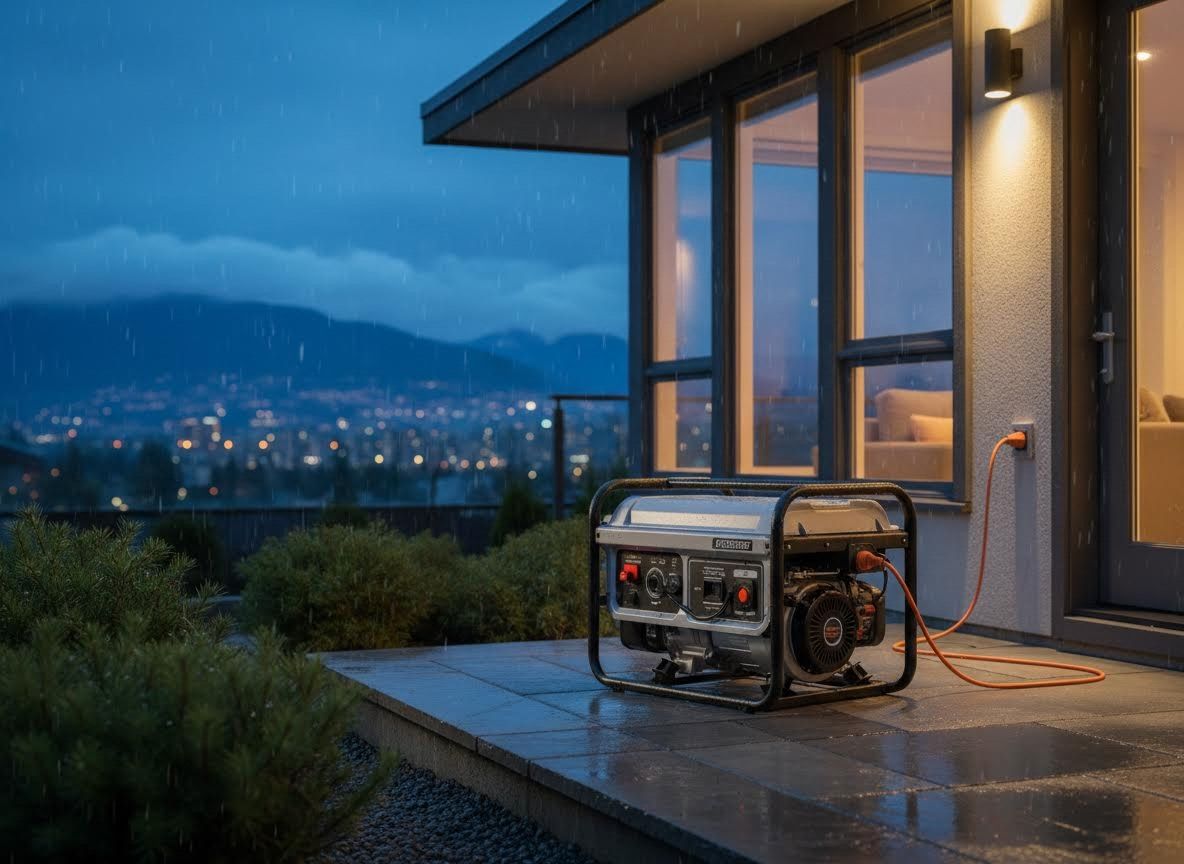
The Critical Role of Transfer Switches: Protecting Our Linemen
Perhaps the most vital safety measure, especially for the utility professionals working to restore power, is the proper connection of your generator to your home's electrical system. Connecting a generator directly into a home's electrical outlets or main panel without a professionally installed transfer switch creates a dangerous condition known as "backfeeding." Backfeeding sends electricity from your generator back into the utility grid, potentially energizing power lines that linemen believe are de-energized. This poses a severe, even lethal, electrocution risk to them. A transfer switch safely isolates your home's electrical system from the utility grid during an outage, preventing backfeeding and protecting both your property and the lives of those working to keep our community safe.
Conclusion: Powering Safely, Protecting All
Operating a generator during a power outage requires diligence and adherence to essential safety guidelines. By ensuring proper outdoor placement and ventilation, handling fuel with extreme care, and most importantly, installing a code-compliant transfer switch, you not only safeguard your home and family but also play a critical role in protecting the lives of utility linemen serving our community. For expert advice on selecting the right generator setup for your home and ensuring its safe, professional installation, especially regarding the crucial electrical connections, the experienced team at Mt Vista Electric is ready to assist you.